“But in raku, it’s not about imitating, but about allowing chance.” — David Zimbrón
The heritage of the Raku family
Raku ceramics originated in Japan in the mid-sixteenth century with Chôjirô, considered the founder and ancestor of the Raku family1. Over time, “Raku” evolved from a way of making tea bowls into the family name of those who produced them2.
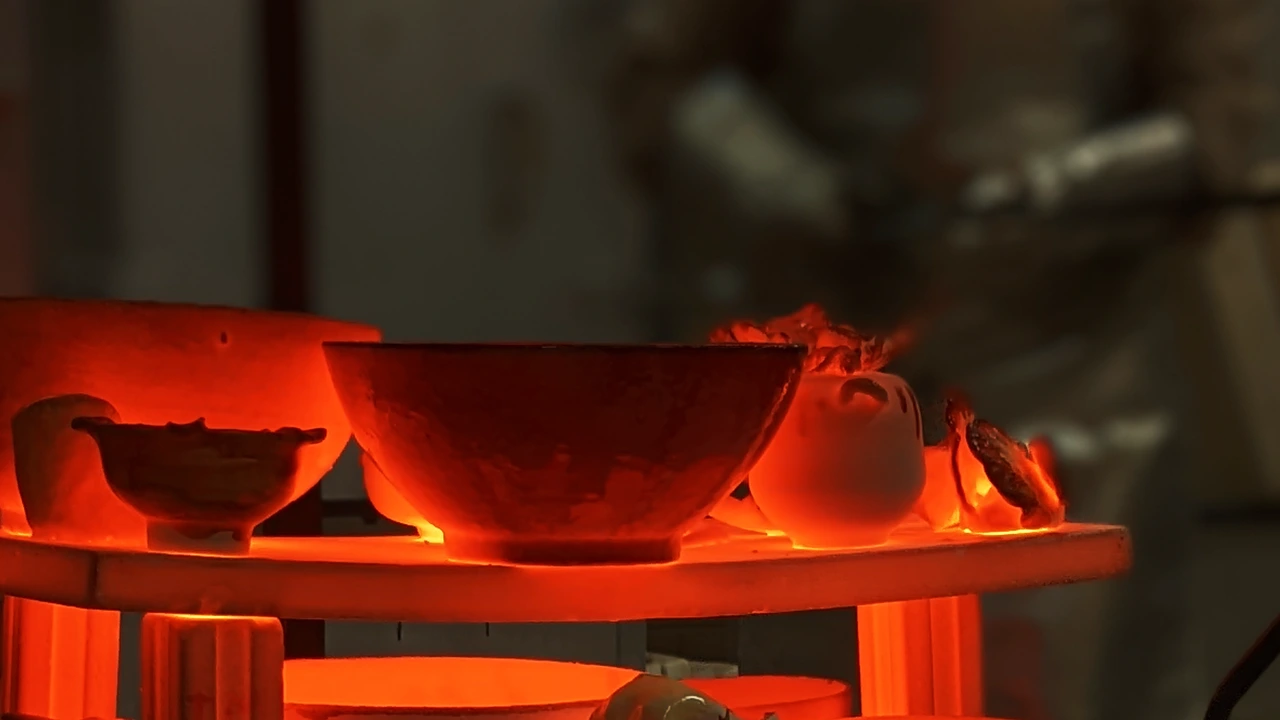
Today, the term raku-yaki is used more broadly to refer to a ceramic technique recognized and practiced worldwide. The technique involves removing pieces from the kiln when the glaze reaches its melting or maturation point — at temperatures approaching 1000 °C — and placing them immediately into containers with flammable materials such as dry leaves, sawdust, or paper.
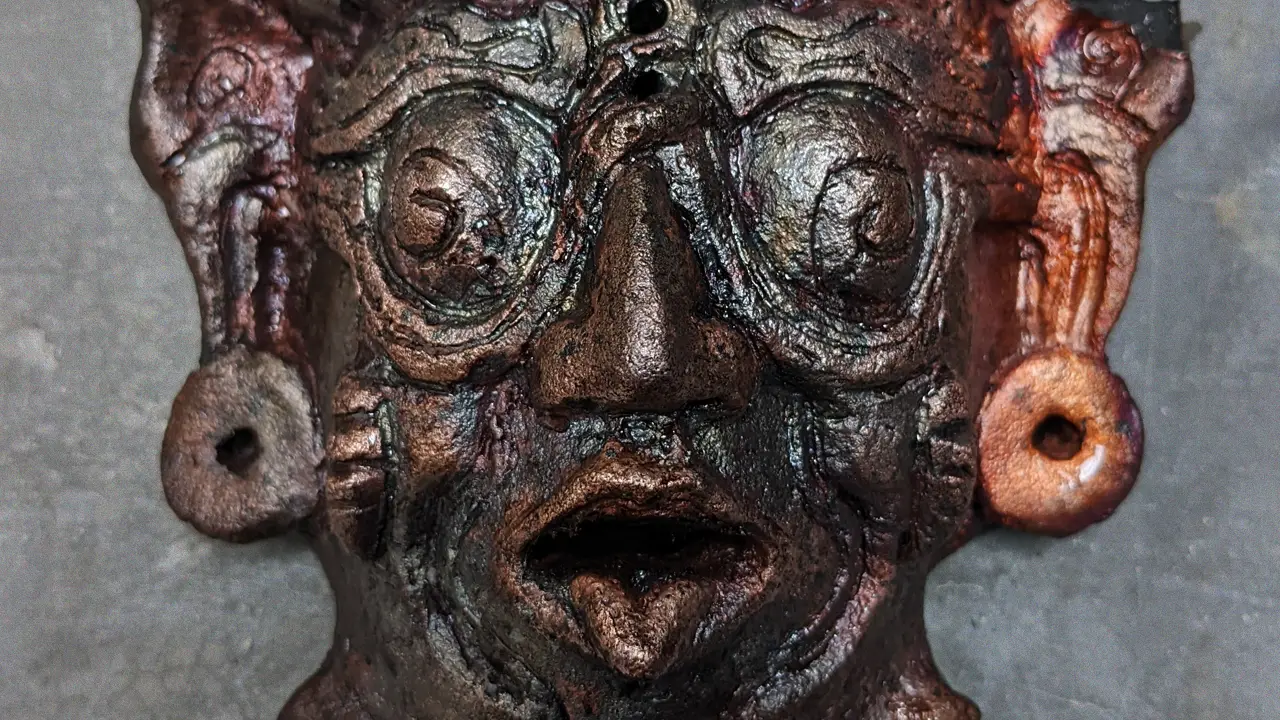
This process produces a violent thermal shock which, combined with the combustion of organic matter, triggers a reduction in oxygen. The result is a chemical alteration of the oxides present in the glaze, producing unpredictable effects: crackled textures, metallic tones or iridescences that never repeat in the same way.
Raku-yaki and the tea ceremony
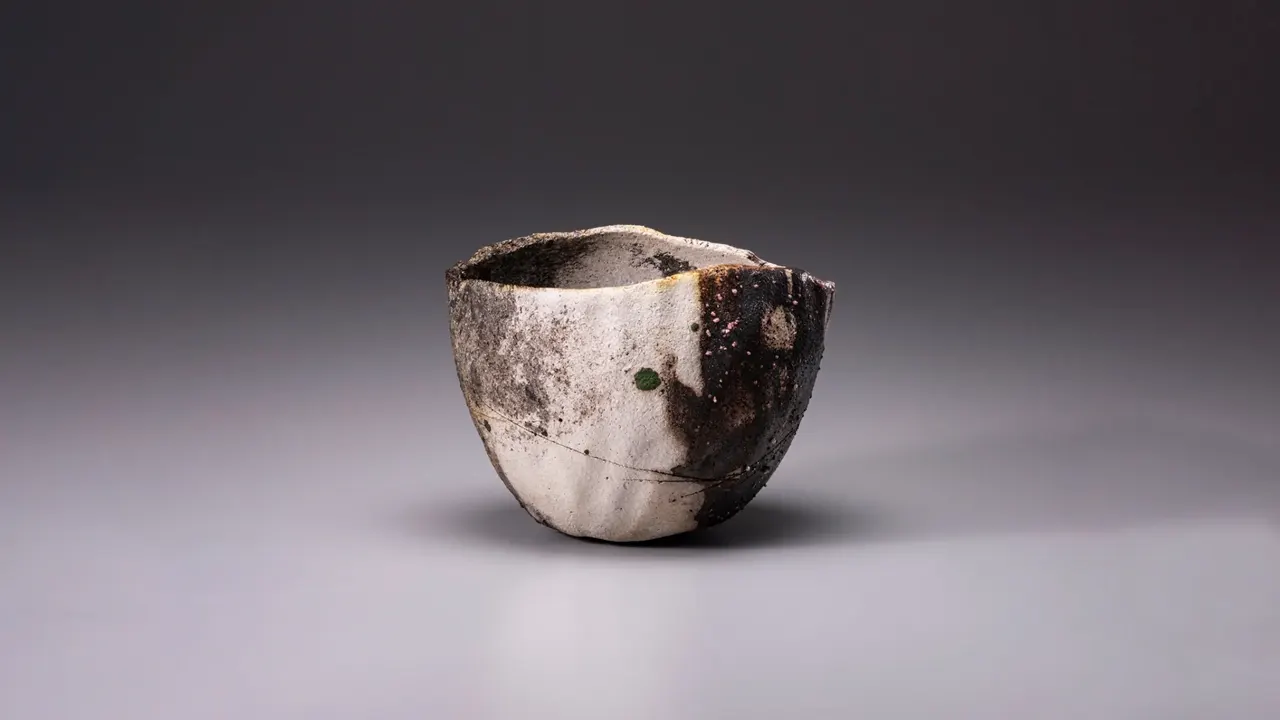
The origins of raku are deeply tied to the Japanese tea ceremony (chanoyu) and to Zen philosophy, which values simplicity, imperfection, and transience. This tradition finds in the irregular and in what bears the marks of time a form of truth and beauty. Raku pieces — originally used as tea bowls (chawan) — embody these principles: they are unique, irregular, humble, and profoundly valuable.
What makes raku such a singular technique is its embrace of chance as part of the creative process. The transformation that occurs in a matter of seconds, when pieces are pulled from the kiln glowing red-hot and met with fire, smoke, or water, is a defining moment that escapes absolute control and becomes an unpredictable encounter with the elements.
In this sense, the ceramicist’s role is not to impose their will upon the material, but to accompany it. Not as one who dominates, but as one who bears witness — seeking beauty in the unexpected throughout the entire process of material transformation.
What you need to fire raku
One of the fundamental aspects for successfully carrying out the raku firing process is the type of ceramic clay body used. It must be capable of withstanding the violent thermal shock characteristic of this technique, which makes it essential that it contain a good proportion of refractory clay. According to master potter Mercedes González, a suitable formula for raku consists of 50% clay, 25% talc, and 25% fine grog3. It is also recommended to carry out a first firing — also known as a bisque firing — before applying the glaze, as single-firing carries a greater risk of cracking during the burn.
As for glazes, many of raku’s most striking effects come from the use of metal salts, especially the so-called transition metals. Copper, iron, chromium, and manganese oxides are among the most commonly used, as they react in the reducing atmosphere generated during combustion, producing iridescences, metallic tones, crackled surfaces, and color variations impossible to replicate. However, as master David Zimbrón warns, many of these compounds are highly toxic due to their solubility, and must always be handled with extreme caution and with appropriate safety equipment.
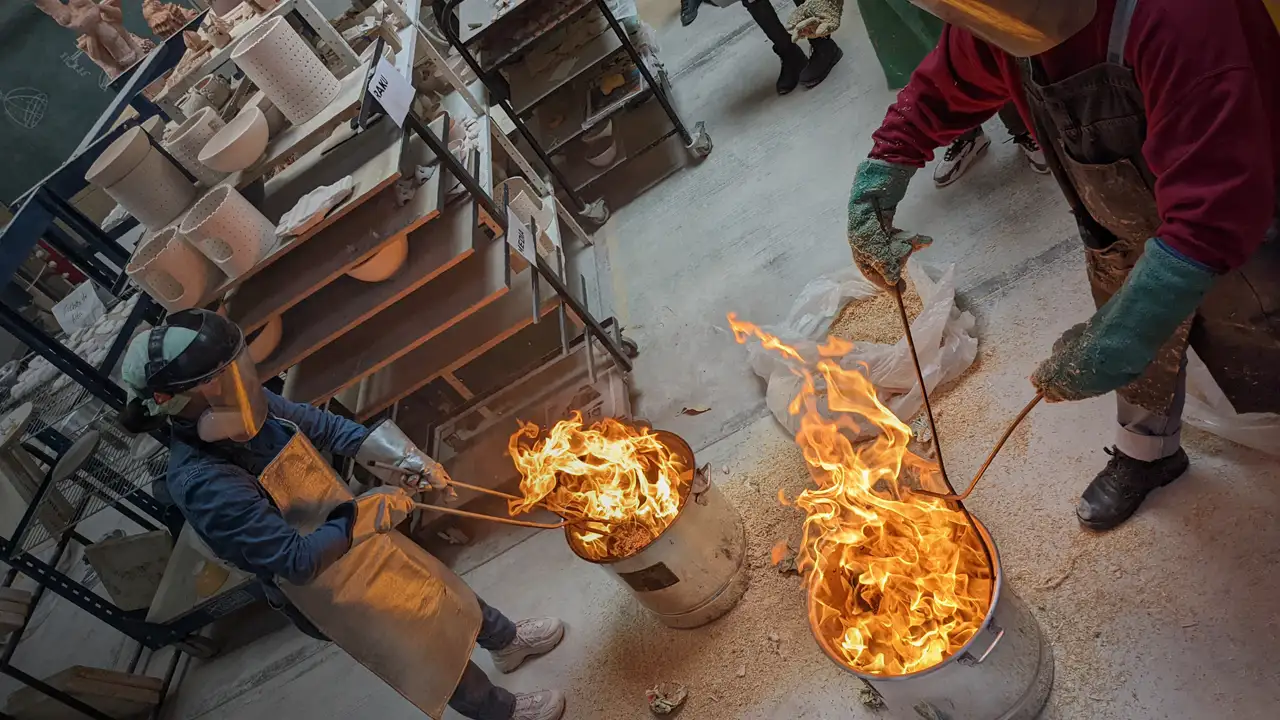
To generate the reducing atmosphere so characteristic of raku, flammable materials must be placed in the container where the red-hot pieces are deposited. The most common include dry leaves, sawdust, paper, or cardboard. Other less conventional materials have also been experimented with, such as feathers, horsehair, plant husks, or even seaweed. Each of these elements contributes different nuances to the final finish of the pieces, making each firing a unique and unrepeatable process.
Finally, to handle pieces fresh from the kiln — at over 900 °C — it is essential to use long tongs and wear appropriate protective equipment: heat-resistant gloves, a mask, safety goggles, long-sleeved clothing preferably in cotton, closed-toe footwear, and hair tied back. It is crucial to avoid synthetic fabrics, as they are highly flammable. Ultimately, it is our responsibility to make raku a safe and meaningful experience. Even before lighting the kiln, it can be helpful to practice handling the pieces — simulating the transfer to the container — to become familiar with the movements and reduce risks during the actual firing.
Raku in contemporary ceramics
The raku technique has transcended its Japanese roots to become an artistic form of expression adopted by ceramicists worldwide. Today it is practiced in schools and workshops at every level, valued not only for its aesthetic richness but also for its free and spiritual character.
This creative freedom makes each firing a unique and unrepeatable experience, where what matters most is the process of creation and transformation through fire. Raku continues to evolve, adapting to new visions and geographical contexts without losing its essence — tied to the ephemeral, the imperfect, and the unexpected.
Today there are multiple experimental variants that expand the expressive possibilities of traditional raku. Some explore new reduction atmospheres, such as alcohol raku, where conventional flammable materials — sawdust or paper — are replaced by the immediate combustion of alcohol upon contact with the hot piece.
In the next post, we will explore some of these contemporary reinterpretations of raku, such as naked raku, obvara (also known as Baltic raku), pit firing, and other techniques that continue to expand the horizons of this ancient practice.
Footnotes
- Birth of Raku ceramics / raku-yaki.or.jp
- Origin of the Raku name / raku-yaki.or.jp
- Class 163 - Raku Cycle / Taller de Cerámica Mercedes González
Sources
- Raku Kichizaemon, a creator reconciled with his tradition / nippon.com
- Works by Raku Kichizaemon XV / Annely Juda Fine Art Gallery
- Doing raku-yaki with Steve Branfman / David Zimbrón Ortíz. México : INBA, 1998.